


Drones have rapidly transformed the skies above New Jersey, offering innovative solutions for everything from aerial photography to delivery services. However, with their increasing popularity comes the risk of accidents. Today, a drone crash in New Jersey has raised concerns about safety regulations and the future of unmanned aerial vehicles in urban areas.
As authorities investigate the incident, questions arise about the implications for drone operators and the general public. Was this crash a result of pilot error, technical failure, or a lack of awareness of airspace regulations? With more drones taking to the skies, understanding the factors that contribute to such incidents is crucial for ensuring safe and responsible drone use in the Garden State.
Overview of the Incident
A drone crash occurred today in New Jersey, drawing significant attention from local authorities and the public. Reports indicate that the drone collided with a building in a densely populated area, resulting in minor property damage but no reported injuries. Emergency responders arrived quickly to secure the scene and prevent any additional risks associated with the crash.
The Federal Aviation Administration (FAA) and local law enforcement are currently conducting a thorough investigation to determine the factors contributing to the incident. Preliminary assessments aim to establish whether pilot error, technical malfunction, or a violation of airspace regulations led to the crash. The results of this investigation could have important implications for future drone operations and regulations within the state.
Drone operators in New Jersey are urged to review airspace rules and safety protocols. This incident underscores the increasing need for awareness and compliance among drone pilots, especially in urban settings where risks to public safety are heightened.
Timeline of Events
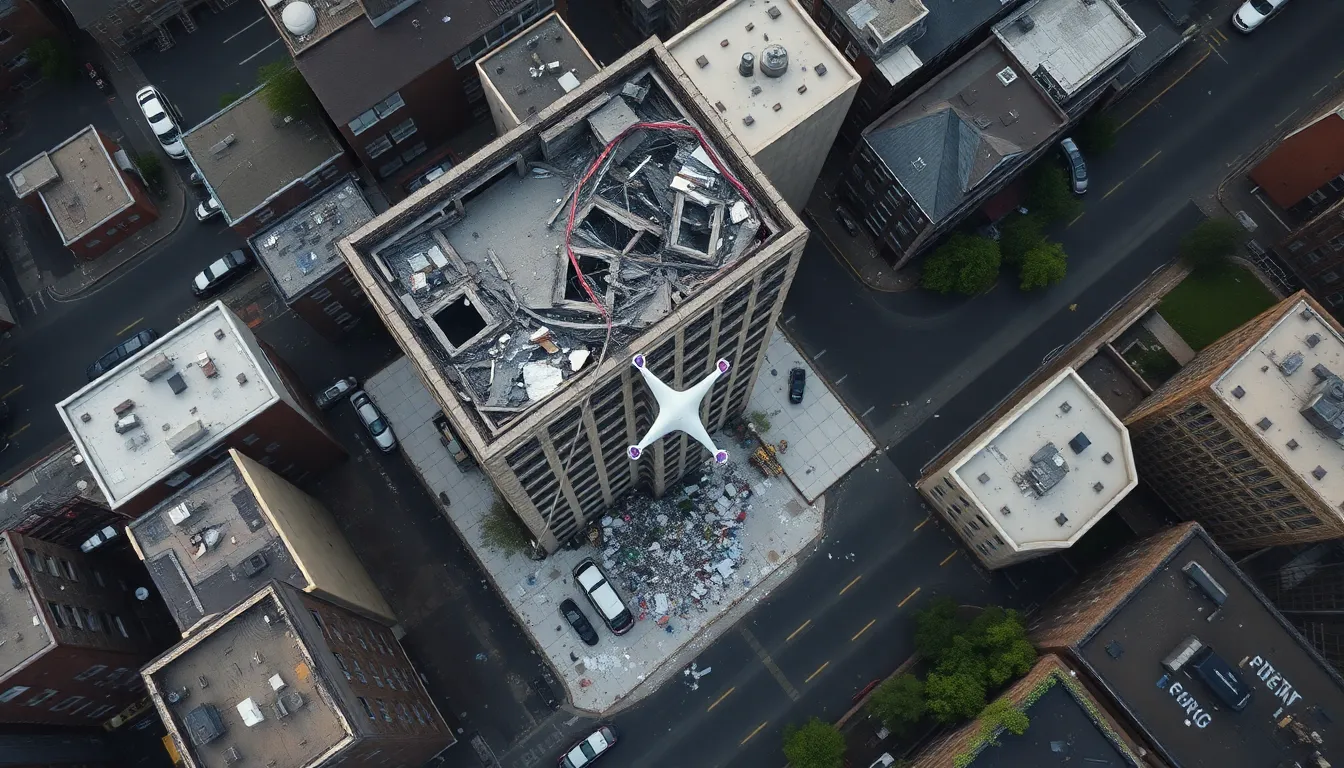
Following the drone crash in New Jersey, a sequence of key events unfolded, providing clarity on this incident.
Initial Reports
Reports surfaced shortly after the drone collided with a building in a densely populated area. Witnesses described seeing the drone descend erratically before crashing. Local news outlets documented calls to emergency services, indicating minimal property damage and no reported injuries. Initial assessments highlighted concerns regarding drone operation in urban environments, prompting immediate public attention.
Official Statements
Local authorities released formal statements confirming the occurrence of the drone crash. The FAA initiated an investigation to determine the cause, citing potential factors like pilot error or technical malfunction. Authorities urged drone operators to familiarize themselves with safety regulations, particularly in high-traffic areas. The investigation’s findings will significantly impact future regulatory measures surrounding drone operations in New Jersey.
Analysis of Potential Causes
Understanding the potential causes of the recent drone crash in New Jersey is essential for preventing future incidents. Investigations are focusing on pilot error and mechanical failures as primary contributors to this event.
Pilot Error
Pilot error often represents a significant factor in drone incidents. Common issues include improper calibration, lack of situational awareness, and failure to adhere to safety protocols. In this case, witnesses observed the drone descending erratically before the collision, suggesting that misjudgment or mishandling by the operator may have played a role. Educating drone pilots about airspace regulations and operational limits is crucial in mitigating these risks.
Mechanical Failures
Mechanical failures can lead to catastrophic results if drones malfunction. Problems may arise from battery depletion, software glitches, or hardware defects. The investigation will assess whether the drone’s components functioned correctly before the crash. Regular maintenance checks and updates can prevent technical issues and enhance the overall safety of drone operations. Addressing these potential mechanical concerns is vital for ensuring reliable performance in high-density areas.
Impact on Local Community
The recent drone crash has significantly impacted the local community, prompting immediate emergency responses and sparking various public reactions.
Emergency Response
Emergency services responded swiftly to the incident, arriving at the scene within minutes. Firefighters and police managed to secure the area, ensuring no further accidents occurred. Local authorities set up a perimeter around the crash site to facilitate the investigation by the FAA. During the response, they assessed the property damage and ensured the safety of nearby residents. Emergency personnel reported no injuries, which alleviated some community concerns.
Public Reaction
Public reaction to the drone crash has been mixed. Many residents expressed relief that no injuries occurred, while others voiced apprehension about drone safety regulations. Local news outlets reported several community members calling for stricter regulations on drone operation in populated areas. Social media platforms amplified these sentiments, with discussions centering on improving pilot education and rigorous enforcement of safety protocols. Overall, the incident raised awareness about the potential dangers associated with drone usage, igniting conversations on how to balance innovation with safety in densely populated environments.
Legal and Regulatory Implications
The crash involving a drone in New Jersey highlights significant legal and regulatory implications for operators and stakeholders. The Federal Aviation Administration (FAA) mandates that all drone operators adhere to specific guidelines, including registration, certification, and compliance with airspace regulations. Violations of these regulations can result in hefty fines and possible criminal charges.
The incident reflects the necessity for state and local governments to develop comprehensive drone laws that align with federal statutes. New Jersey’s local authorities may consider implementing stricter ordinances concerning drone operations in urban and high-traffic regions. Increased regulations may include designated flight zones, mandatory safety training for operators, and mandatory reporting of drone incidents to improve response protocols.
Investigations following the crash will likely evaluate adherence to existing laws surrounding drone operation, focusing on certification and operational protocols. Operators must demonstrate familiarity with not just FAA directives but also any state-specific regulations that apply to drone usage. The results of the investigation could lead to policy changes by state legislators aimed at enhancing public safety.
In response to heightened concerns about safety, the FAA has indicated plans to increase oversight and education initiatives for both recreational and commercial drone operators. This includes public awareness campaigns and additional training programs to reduce incidents stemming from pilot error. Engaging with communities, promoting responsible drone use, and ensuring compliance with regulations can mitigate future risks associated with drone operations.
Addressing the regulatory framework surrounding drones is crucial in preventing future incidents, assuring public confidence in drone technology, and fostering innovation while prioritizing safety in populated areas.
The recent drone crash in New Jersey serves as a crucial reminder of the importance of safety and regulation in the rapidly growing drone industry. As investigations unfold local authorities and the FAA are working diligently to uncover the factors that led to this incident.
The community’s response highlights a growing concern for drone safety particularly in densely populated areas. It’s clear that both education and compliance with safety protocols are essential for responsible drone operation.
Moving forward it’s vital for drone operators to stay informed about regulations and best practices. This incident may ultimately lead to stronger guidelines that ensure the safe integration of drones into everyday life while fostering innovation in this exciting field.

